When Bee Removal Is Necessary and When It’s Not
When bee removal is necessary and when it’s not, local contractors can assess the situation and safely remove or advise against removal to protect your property and safety.
Many property owners find themselves wondering when bee removal is necessary and when it’s not. Understanding the difference is important for making informed decisions about bee activity on a property. Typically, removal services are recommended when bees have established a hive in a location that poses a risk to people or pets, such as in walls, eaves, or other hard-to-reach areas. In these cases, professional bee removal can help ensure the hive is safely and effectively handled, preventing potential stings or property damage. Conversely, if bees are simply foraging or temporarily nesting away from human activity, removal may not be needed, and allowing bees to carry out their natural roles can be beneficial.
Property owners in the area often explore this topic because they want to protect their families and maintain a safe environment, especially when bee activity appears close to homes, gardens, or outdoor gathering spaces. Knowing when bee removal services are appropriate can help prevent unnecessary disturbance to local pollinators while addressing genuine concerns. Local service providers are equipped to evaluate each situation carefully, distinguishing between harmless bee presence and situations that require intervention. Keep reading to learn more about how to identify when bee removal is necessary and how local experts can assist in managing bee-related issues responsibly.
- Swarm removal - when a large bee colony has settled in an accessible area, local contractors can safely remove and relocate the swarm.
- Nest removal - when bees build a hive inside walls or other structures, service providers evaluate the location to determine if removal is necessary.
- Emergency removal - when bees pose an immediate threat to residents or pets, local pros can provide prompt removal services.
- Deliberate removal - when bees are in non-hazardous locations and not causing problems, experts may recommend leaving the hive undisturbed.
- Extermination - when bee removal is not feasible or the hive is in a difficult-to-access area, some service providers may suggest extermination options.

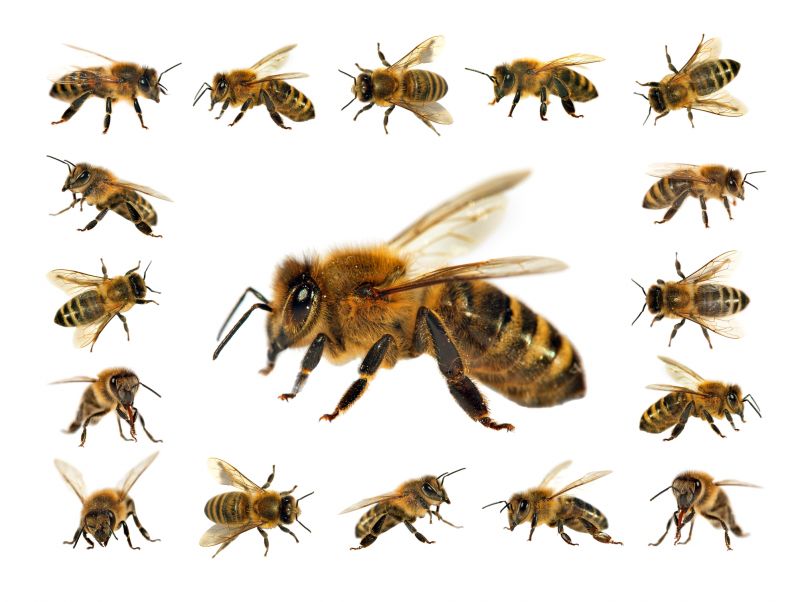
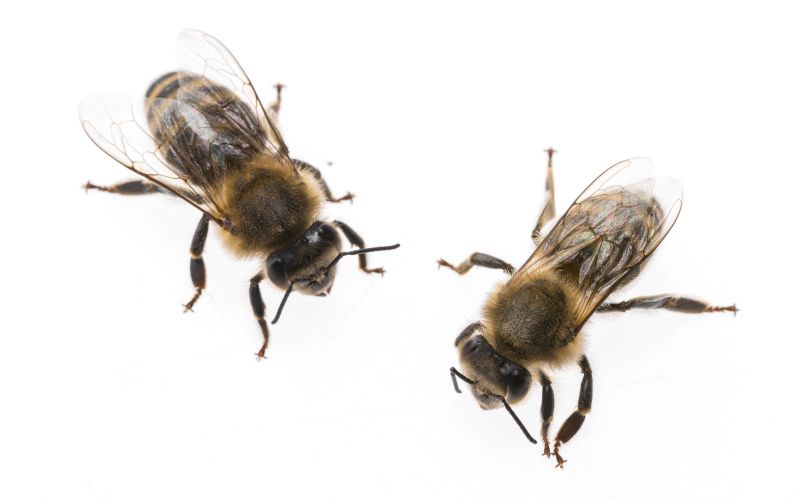
Understanding when bee removal is necessary and when it’s not is an important step for homeowners facing bee-related issues. Many people search for this topic when they notice a bee presence around their property, especially if they see a large congregation of bees or a hive forming in an unexpected location. The decision to remove bees often depends on whether the colony poses a risk to residents or property, or if it’s simply a natural part of the environment. Homeowners may also be considering bee removal as part of a larger project, such as renovating a building or landscaping a yard, where the presence of a hive could interfere with plans or safety. Local service providers can assess the situation and advise on whether removal is needed based on the specific circumstances.
The problems that typically lead to seeking bee removal services involve safety concerns, property damage, or the presence of aggressive behavior. For example, if a hive is located near entry points, outdoor gathering areas, or where children frequently play, it may be necessary to remove the colony to prevent stings or accidents. Conversely, if bees are establishing a hive in a less trafficked area, such as a tree branch or a corner of a shed that is not accessible, removal may not be urgent. Many property owners also consider bee removal when they want to protect the bees themselves, especially if they are not causing any immediate issues. Local contractors can help evaluate whether the situation warrants removal or if the bees can be left undisturbed without risk.
The types of properties that often come up in discussions about when bee removal is necessary include residential homes, commercial buildings, and agricultural sites. In homes, bees may settle in wall voids, attics, or eaves, creating potential hazards or damage. Commercial properties, especially those with outdoor seating or entryways, might require prompt removal if a hive is nearby. Agricultural properties may encounter bees around crops or storage areas, where the presence of a hive could impact operations or safety. When bees establish colonies in these settings, local bee removal service providers can evaluate the risk level and recommend appropriate action, whether that involves removal or simply monitoring the situation.
Deciding when bee removal is not necessary involves understanding the behavior and location of the colony. If bees are not aggressive, and the hive is in a safe, out-of-the-way spot, removal might not be the best course of action. In many cases, bees are beneficial pollinators, and leaving a hive undisturbed can support local ecosystems. Additionally, if the hive is in a spot that is difficult to access or unlikely to cause harm, property owners may choose to leave it alone. Local service providers can assist in making this determination by inspecting the site and offering guidance on whether intervention is advisable. This approach ensures that removal is reserved for situations where safety or property concerns truly outweigh the benefits of leaving the bees undisturbed.
Wildlife Removal - professionals who handle the safe removal of various animals can apply similar techniques when dealing with bee removal, especially in assessing whether removal is necessary or avoidable.
Pest Control Services - pest control experts often address insect and hive issues, making their skills relevant for evaluating when bee removal is necessary and when it can be avoided.
Attic and Wall Insulation Removal - this work involves careful planning and access, similar to bee removal when access to hive locations is needed for safe removal or exclusion.
Structural Damage Repair - contractors who repair damage caused by pests or animals share planning and safety considerations relevant to bee removal scenarios involving property access.
Nest and Hive Removal - specialists who remove bird nests or other animal habitats often use comparable tools and methods applicable to bee hive removal when appropriate.
Exclusion and Sealing Services - these pros focus on preventing pests from re-entering structures, which is a key aspect of managing bee activity and determining if removal is necessary.

When evaluating local contractors for bee removal services, it is important to consider their experience with similar projects. Homeowners should look for providers who have handled bee removal in situations comparable to their own, such as removing bees from residential properties or dealing with specific hive locations. An experienced service provider is more likely to understand the nuances of when bee removal is necessary and when it’s not, ensuring that the approach taken is appropriate for the circumstances. This familiarity can help prevent unnecessary removal in cases where bees are not posing a real threat and ensure proper handling when removal is genuinely needed.
Clear written expectations are essential when comparing local contractors for bee removal. Homeowners should seek providers who can articulate the scope of work, the methods they plan to use, and any follow-up procedures in plain language. Having detailed expectations helps ensure everyone is on the same page and reduces the risk of misunderstandings. It also allows homeowners to assess whether the contractor’s approach aligns with their concerns about when bee removal is necessary and when it’s not, fostering a transparent process that supports informed decision-making.
Reputable references and good communication are key factors when choosing local service providers for bee removal. Contractors with positive references from previous clients can offer insights into their professionalism, reliability, and how effectively they handle situations similar to the homeowner’s. Good communication throughout the process enables homeowners to ask questions, express concerns, and receive timely updates, which is especially important when determining whether bee removal is necessary or if alternative solutions might be appropriate. Gathering this information helps ensure that the chosen contractor is capable of providing responsible and well-informed services tailored to the specific needs of the property.
Property owners often search for when bee removal is necessary and when it’s not when they are planning practical projects around their homes and businesses. Local pros provide Bee Removal services for everyday jobs and straightforward project options.
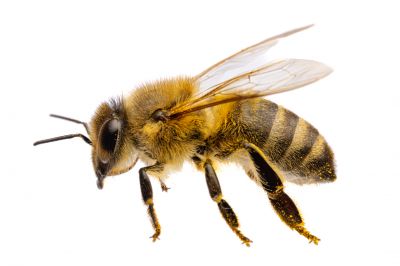

Understanding when bee removal is necessary and when it’s not can help property owners in the area make informed decisions about managing bee activity. In many cases, bees may build nests in out-of-the-way spots such as tree branches, shrubs, or unused structures without causing any immediate issues. When the hive is located away from human activity and the bees are not aggressive, professional bee removal services might recommend leaving the colony undisturbed. These local contractors can assess the situation and determine if the bees pose a threat or if they can coexist peacefully, ensuring that unnecessary removal is avoided.
However, bee removal becomes necessary when hives are situated near high-traffic areas, such as doorways, patios, or play areas, where they could pose safety concerns or interfere with daily routines. Additionally, if a hive is inside wall cavities, attic spaces, or other hard-to-reach places that could lead to structural damage or health risks, local service providers can step in to safely remove the colony. Recognizing these situations helps property owners decide when professional bee removal services are needed to address potential hazards and protect the property.
When is bee removal necessary? Bee removal is typically needed when a hive is located in a place that poses a risk to people or pets, such as near entryways, vents, or high-traffic areas, and when the bees are aggressive or causing damage.
When is bee removal not necessary? Bee removal may not be necessary if the hive is in a remote or less accessible area, the bees are not aggressive, and they are not causing any structural or safety concerns.
How can local service providers help determine if bee removal is needed? Local contractors can assess the location and behavior of the bees to recommend whether removal is appropriate or if the hive can be left undisturbed.
Are there situations where bee removal should be avoided? Bee removal should be avoided if the hive is in a safe, undisturbed location, or if the bees are a protected species that require special handling, which local pros can advise on.
What factors influence the decision to remove a bee hive? The decision depends on the hive’s location, the presence of people or pets, the health and behavior of the bees, and the potential for damage or safety risks, which local pros can evaluate.
Identifying bee activity in structures - property owners can monitor signs of bees in walls or attics to determine if bee removal is necessary and when it’s not, ensuring timely intervention with local pros.
Assessing hive location and size - evaluating whether a hive poses a risk or is safely away from human activity helps decide if professional bee removal is needed or if the colony can be left undisturbed.
Understanding bee behavior and seasonality - recognizing when bees are least active or swarming naturally can guide property owners on when bee removal is appropriate and when it’s best to wait or avoid intervention.
Considering the presence of honey or comb damage - inspecting for structural damage caused by bees can inform whether professional removal is essential to prevent property issues or if the situation can be managed without removal.
If you are thinking about when bee removal is necessary and when it’s not for a property, this guide is meant to help you understand this topic, the typical project types, and how different options might fit your plans.
When you are ready, you can use the quote form on this page to share a few details about your project. From there, local pros can review the basics and follow up with options that match what you have in mind.