Signs You Have Bees Nesting in Your Home or Building
If you notice signs you have bees nesting in your home or building, local contractors can safely remove the nest and prevent further issues.
Property owners in the area who notice unusual activity around their buildings may want to explore signs that indicate bees nesting in their home or building. Recognizing these signs early can help prevent potential issues, such as damage to structures or unwanted stings, especially during warmer months when bees are most active. If you’ve observed a buzzing sound near eaves, small holes in walls, or a sudden increase in insect activity, it could be a sign that a bee nest has taken hold. Understanding these indicators is a practical step toward maintaining a safe and healthy property.
When signs of a bee nest are present, connecting with experienced local contractors who specialize in bee nest removal can be an effective solution. These professionals have the knowledge and tools needed to safely handle the situation, ensuring that the nest is removed properly and efficiently. Keep reading to learn more about how to identify these signs and why working with trusted service providers is an important part of managing a bee presence on your property.
- Bee nest removal - needed when signs of large, buzzing activity near eaves or vents indicate a hive has taken residence inside a building structure, and local contractors can safely handle the removal.
- Bee hive cleanup - required if you notice a persistent, unpleasant odor or visible wax buildup, with service providers equipped to remove the hive and sanitize the area.
- Bee infestation repair - necessary when signs of honey or wax leaks appear on walls or ceilings, prompting local experts to carefully extract the hive and repair any damage.
- Bee removal and exclusion - advised if you observe bees entering through small openings or cracks, with pros sealing entry points after hive removal to prevent future nesting.
- Bee nest inspection - recommended when you detect buzzing sounds or hive activity in hard-to-reach areas, with local service providers assessing and safely removing the nest.

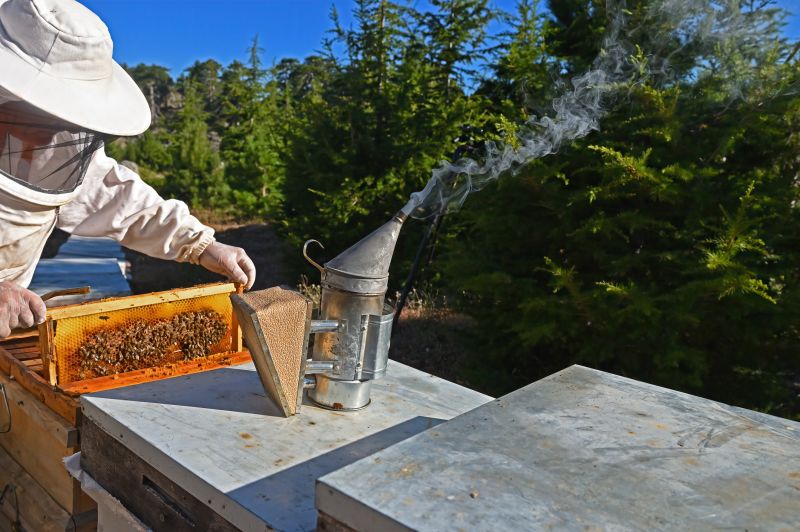
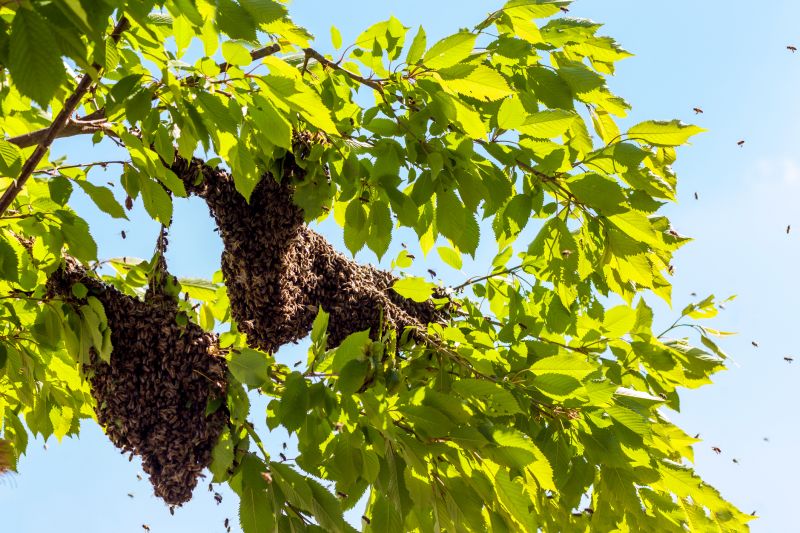
Understanding the signs you have bees nesting in your home or building is essential for homeowners who want to address potential infestations early. When bees establish a nest inside or around a property, certain visual and auditory cues often indicate their presence. Common signs include a persistent buzzing sound near specific areas, especially during warmer months when bees are most active. Additionally, visible clusters of bees around eaves, soffits, vents, or wall voids can be a clear indicator of a nearby nest. Recognizing these signs early can help property owners determine whether professional bee removal services are needed to safely and effectively handle the situation.
The presence of a bee nest often relates to broader concerns about property damage, safety, and pest management plans. Bees tend to build their nests in sheltered, hard-to-reach spots that provide stability and protection. For homeowners, this might mean inspecting attic spaces, wall cavities, or exterior structures such as sheds, porches, or fences. If left unchecked, a bee colony can grow rapidly, leading to increased noise, potential stings, and in some cases, structural damage caused by the nest material or hive expansion. Property owners searching for signs of nesting often want to understand whether the issue requires professional removal, especially to ensure safety and prevent harm to themselves, their families, or the bees.
Certain types of properties are more prone to hosting bee nests, especially those with accessible or sheltered areas. Residential homes with attic spaces, roof overhangs, or exterior wall gaps are common nesting spots. Commercial buildings, particularly warehouses, barns, or structures with unused or poorly maintained sections, can also be attractive to bee colonies. Outbuildings such as sheds, garages, and fences made of wood or other sturdy materials provide ideal sites for nesting. Recognizing the types of properties most affected helps homeowners and property managers better identify potential problem areas and consider the importance of professional bee removal services to handle these situations safely.
When people search for signs they have bees nesting in their home or building, they are often looking for practical ways to identify the problem before it escalates. Detecting early signs allows for timely intervention by local service providers who specialize in bee nest removal. These professionals have the expertise to confirm the presence of a hive, assess the level of activity, and determine the safest removal method. Whether the nest is inside a wall cavity, under a roof eave, or in an exterior structure, connecting with experienced local contractors ensures the issue is addressed properly. Proper removal not only prevents potential safety hazards but also supports the preservation of bee populations when feasible, making professional assistance a valuable resource in managing bee-related property concerns.
Wildlife Removal Services - these projects involve safely removing animals like birds, raccoons, or squirrels, which shares skills with removing bee nests from buildings.
Pest Extermination Projects - pest control services often require knowledge of insect behavior and safe removal techniques similar to bee nest removal.
Attic Insulation and Ventilation - upgrading or repairing attic spaces can involve identifying and addressing hidden bee nests or other pests in hard-to-reach areas.
Structural Damage Repair - fixing damage caused by pests or animals nesting in walls or eaves involves planning and tools similar to those used in bee nest removal.
Bird Deterrent Installation - installing bird deterrents requires understanding nesting habits and planning, which aligns with identifying bee activity in structures.
Building Inspection Services - thorough inspections to identify signs of animal or insect nesting help determine if bees or other pests are present in a property.
When evaluating potential service providers for bee nest removal, it is important to consider their experience with similar projects. Homeowners should inquire about how long the contractor has been handling bee nest removals and whether they have worked with properties similar in size and structure. An experienced contractor will be familiar with different types of nests and effective removal techniques, which can help ensure the job is completed safely and efficiently. This background can also provide confidence that the contractor understands the complexities involved in safely removing a bee nest from a home or building.
Clear, written expectations are essential when selecting a bee nest removal service. Homeowners should seek detailed information about what the removal process entails, including any follow-up steps or preventative measures that may be recommended. Having a transparent scope of work helps prevent misunderstandings and ensures that all parties are aligned on the services provided. Reputable service providers will be willing to outline these expectations in writing, giving homeowners a clear understanding of what to expect from the project.
Reputable references and effective communication are key factors in choosing a reliable bee nest removal contractor. Homeowners can ask for references or reviews from previous clients to gauge the quality of the contractor’s work and professionalism. Good communication throughout the process-such as prompt responses to questions and clear explanations of procedures-can also make the experience smoother. Contractors who prioritize open dialogue and provide transparent information are more likely to deliver a positive experience and ensure the homeowner feels confident in the work being performed.
Property owners often search for signs you have bees nesting in your home or building when they are planning practical projects around their homes and businesses. Local pros provide Bee Nest Removal services for everyday jobs and straightforward project options.

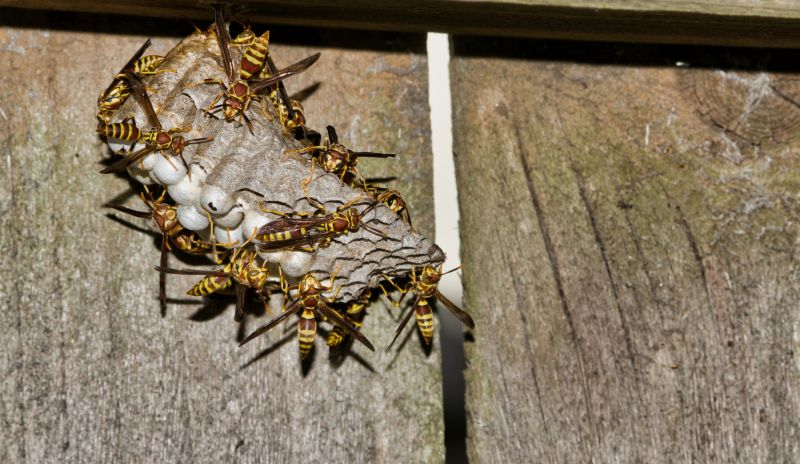
Recognizing signs you have bees nesting in your home or building can help property owners address potential issues early. Common indicators include the presence of a buzzing sound near eaves, soffits, or wall voids, especially during warmer months. You might also notice small, round holes or a buildup of wax and honeycomb in hidden or hard-to-reach areas. Additionally, an increase in bee activity around the same spot, along with the sighting of bees entering or exiting a specific opening, can signal a nest nearby. These signs often prompt property owners to consider bee nest removal services from local contractors to prevent damage and ensure safety.
When bees establish a nest within a structure, it can lead to complications such as structural damage or unwanted stings for inhabitants. Property owners in the area who observe persistent buzzing, unusual odors, or visible honeycomb may look into professional bee nest removal to resolve the situation. Local service providers are equipped to handle these cases, safely removing the nest and preventing future issues. Consulting with experienced contractors can help determine the best approach for removal and ensure the property remains safe and bee populations are managed responsibly.
What are common signs that bees have nested in a building? Look for visible bee activity around eaves, vents, or wall openings, as well as the presence of honeycomb or wax structures on exterior or interior surfaces. Increased bee traffic near specific areas can also indicate a nest nearby.
How can I tell if a bee swarm is nesting inside my home? Signs include persistent buzzing sounds inside walls or ceilings, the sight of bees entering or exiting a particular spot, and the appearance of honey or wax buildup on walls or ceilings near entry points.
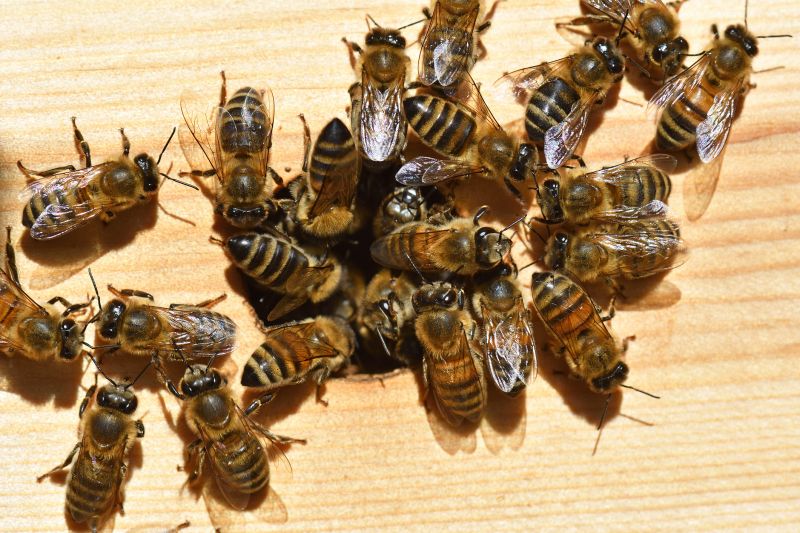
What should I watch for to identify a potential bee nest in my building? Watch for clusters of bees gathered around small openings, or the presence of bee activity around vents, soffits, or rooflines. Swarming behavior or increased bee activity during warmer months can also be indicators.
Are there specific signs that suggest a bee nest is causing a problem in my property? Yes, signs include excessive bee activity, a strong hive smell, honey or wax staining on walls or ceilings, and visible bee entrances or exits in structural openings.
How do local contractors typically confirm the presence of a bee nest? They perform visual inspections of suspected areas, look for signs like honeycomb or bee activity, and assess structural features that could serve as nesting sites to determine if removal services are needed.
Unusual Noises Near Walls or Attics - Hearing buzzing or humming sounds inside a home can indicate the presence of a bee nest, prompting property owners to seek professional removal services.
Visible Bee Activity or Swarm Clusters - Spotting bees clustering around eaves, vents, or other exterior openings suggests a nest nearby, making it practical to contact local contractors for removal.
Honey or Wax Drippings - Finding sticky residues or comb-like structures on exterior surfaces or inside walls may signal an active bee colony requiring professional intervention.
Faint Odors or Stains - Detecting unusual smells or discoloration around certain areas can be a sign of a hidden bee nest, encouraging property owners to consult experienced service providers.
If you are thinking about signs you have bees nesting in your home or building for a property, this guide is meant to help you understand this topic, the typical project types, and how different options might fit your plans.
When you are ready, you can use the quote form on this page to share a few details about your project. From there, local pros can review the basics and follow up with options that match what you have in mind.