Humane Bee Removal Methods Explained
People seeking humane bee removal methods explained are usually aiming to safely remove bees without harm, and local service providers can assist with gentle, effective solutions.
If you’ve recently noticed bees around your property or discovered a hive in an unexpected spot, understanding humane bee removal methods explained can help you make informed decisions. Property owners in the area often seek out these approaches to address bee concerns responsibly, especially when they want to protect local pollinators while ensuring their space remains safe and bee-free. Exploring this topic can reveal practical strategies that local contractors use to remove bees safely and humanely, preventing unnecessary harm to the insects and minimizing disruption to your property.
Continuing to learn about humane bee removal methods explained can also clarify why working with experienced local service providers is beneficial. These professionals employ techniques designed to relocate bees without destroying colonies, which is often an important consideration for property owners who value ecological balance or simply want an effective, ethical solution. Keep reading to discover how local pros can help you handle bee situations thoughtfully and effectively, ensuring your property remains protected while respecting the vital role bees play in the environment.
- Bee removal services are needed when bees have established colonies in structures, and local contractors use humane methods to safely relocate the hives without harming the insects.
- Bee rescue and relocation are sought when property owners want to preserve bee populations, with service providers employing gentle, non-lethal techniques to remove bees from homes or buildings.
- Hive removal and exclusion are required when bees have built nests in hard-to-reach areas, and local pros implement humane strategies to carefully extract and seal entry points to prevent future infestations.
- Bee swarm removal services are called upon during seasonal swarming, with technicians safely gather and relocate the swarm using humane methods that avoid destruction of the bees.
- Bee-proofing and sealing are needed after hive removal to prevent re-infestation, with local contractors applying humane exclusion techniques to block bees from returning to the property.
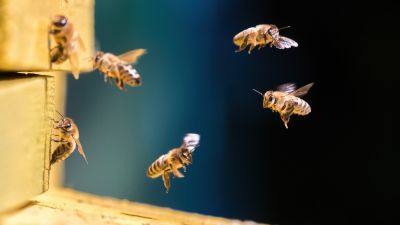
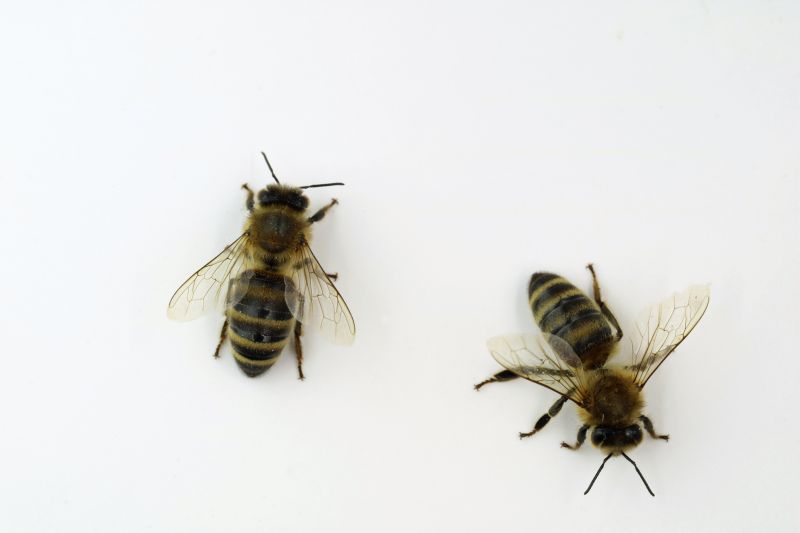
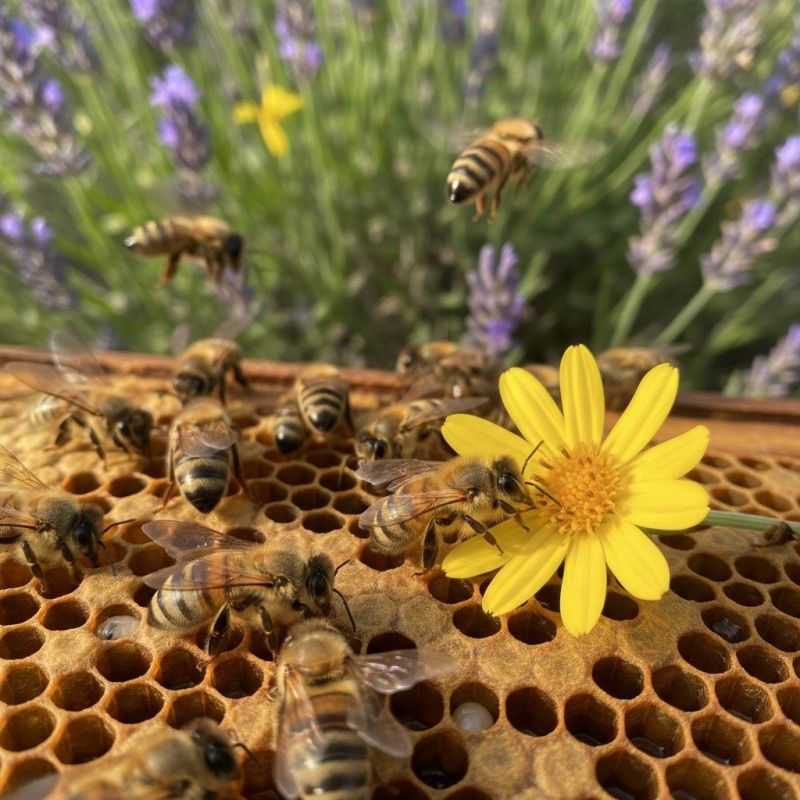
When people search for humane bee removal methods explained, they are often looking for information on how to remove bees without causing them harm. This topic typically comes up for homeowners who have discovered a hive or swarm on their property and want to resolve the issue in a way that respects the bees’ well-being. Many individuals are concerned about the safety of their families or pets, as well as the preservation of the bees, which play an important role in pollination. Understanding the different approaches to humane removal helps homeowners make informed decisions about how to address the situation responsibly and ethically.
Humane bee removal methods are connected to a variety of property problems and plans. For example, a bee hive located in a wall cavity, attic, or under a roofline can cause structural damage or create a persistent nuisance. Property owners often seek solutions that eliminate the bees while avoiding destructive extermination techniques that can damage the building or harm the colony. These methods are also relevant to plans that involve relocating the hive to a new site, such as a beekeeper’s apiary, rather than exterminating the colony. Local service providers who specialize in humane removal typically have the tools and expertise to carefully extract and relocate bees, ensuring the colony’s safety and health.
The types of properties that frequently come up in discussions about humane bee removal include residential homes, especially those with attics, eaves, or wall voids, as well as commercial buildings, barns, and farm structures. In many cases, bees establish hives in hard-to-reach places that are difficult to access without specialized equipment. Properties with wooden structures or areas that provide shelter and easy access to bees attract colonies looking for suitable nesting sites. Homeowners often prefer humane removal when the hive is close to living spaces or valuable structures, as they want to resolve the issue without unnecessary destruction or harm to the bees.
Local contractors who offer humane bee removal services play a key role in helping property owners address these situations effectively. These professionals understand how to identify active hives and choose the most appropriate removal methods based on the property’s layout and the colony’s location. They can perform careful extractions and assist with relocating the bees to a safe environment, aligning with the homeowner’s goal of humane treatment. Connecting with experienced service providers ensures that the removal process is handled professionally, reducing risks and supporting the health of the bee population while resolving property concerns in a practical, respectful manner.
Wildlife exclusion projects - these involve sealing entry points and removing animals humanely, requiring knowledge of animal behaviors similar to humane bee removal methods.
Bat removal services - professionals use humane techniques to safely remove bats from structures, sharing planning skills with humane bee removal specialists.
Bird nest removal - involves careful removal of nests and prevention of re-entry, paralleling the planning and gentle handling in humane bee removal methods.
Rodent proofing and exclusion - entails sealing openings and guiding animals away, which aligns with the planning and humane strategies used in bee removal.
Insect pest control - especially for stinging insects, relies on targeted, humane removal techniques similar to those used in bee removal methods.
Wildlife habitat modification - involves altering environments to prevent animal nesting, requiring planning and understanding of animal behaviors akin to humane bee removal approaches.
When evaluating local contractors for humane bee removal methods, it’s important to consider their experience with similar projects. An experienced service provider will have a clear understanding of the different humane techniques available and know how to apply them effectively to ensure the bees are removed safely and ethically. Asking about their past work with bee colonies, especially in residential settings, can help gauge their familiarity with humane removal practices and their ability to handle unique situations that may arise during the process.
Clear written expectations are essential when comparing local service providers. A reputable contractor should be able to provide detailed information about their approach to humane bee removal, including what methods they use and what the process entails. Having this information in writing helps ensure that both parties have a shared understanding of the scope of work, the steps involved, and any follow-up procedures. This transparency can prevent misunderstandings and ensure that the removal is conducted in a manner that aligns with the homeowner’s preferences for humane treatment.
Reputable references and good communication are key indicators of a reliable local contractor. Service providers who can offer references from previous clients demonstrate a history of successful projects and satisfied customers. Additionally, clear and responsive communication during the inquiry process can reveal how well they understand the importance of explaining humane bee removal methods and addressing homeowner questions. Choosing a contractor who communicates openly and provides solid references can help ensure the project proceeds smoothly and aligns with the homeowner’s expectations for ethical and effective bee removal.
Property owners often search for humane bee removal methods explained when they are planning practical projects around their homes and businesses. Local pros provide Humane Bee Removal services for everyday jobs and straightforward project options.
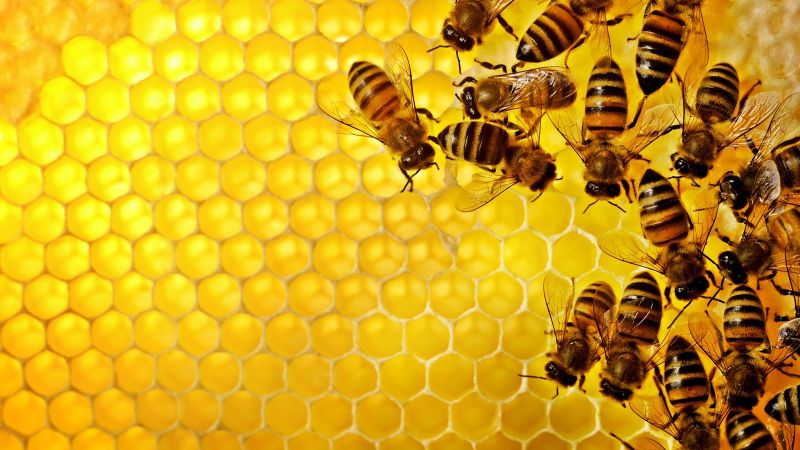
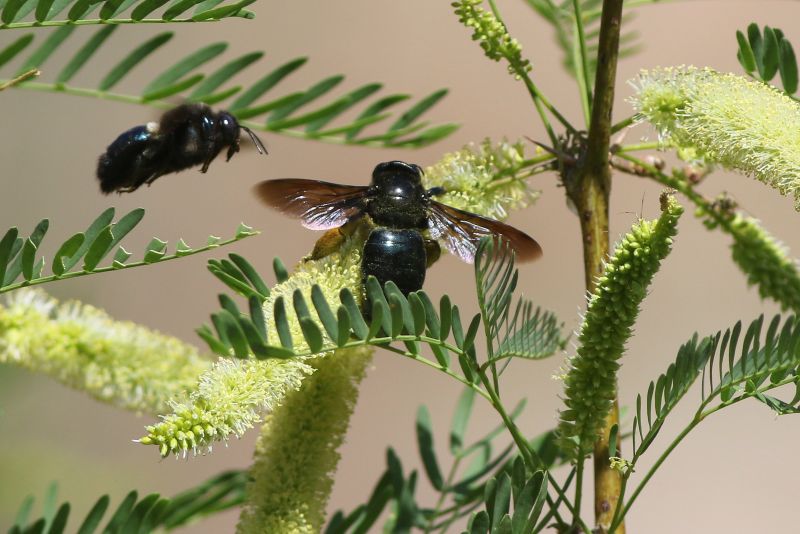
In many homes and properties around the area, encounters with bees can happen unexpectedly, especially during warmer months when they become more active. Property owners might notice buzzing sounds near eaves, walls, or outdoor structures, prompting questions about the safest and most humane ways to handle the situation. Local contractors who specialize in humane bee removal methods explained can provide guidance on effective strategies that prioritize the well-being of the bees while ensuring safety for residents and pets. These professionals often use techniques that gently relocate bees without causing harm, making the process both responsible and respectful of the local pollinators.
People searching for humane bee removal methods explained often want a solution that avoids extermination and preserves the bee colonies whenever possible. Whether bees have taken residence in a wall cavity, attic, or tree, experienced service providers can assess the situation and recommend options that align with humane practices. Connecting with local experts ensures that the removal process is handled carefully and efficiently, giving property owners peace of mind that the bees are managed ethically and responsibly. These professionals are equipped to implement methods that minimize distress to the bees while addressing the immediate concerns of the property owner.
What are humane bee removal methods? Humane bee removal methods involve safely relocating bees without harming or destroying their colonies, often using specialized equipment and techniques to encourage bees to leave their current location willingly.
How do local service providers perform humane bee removal? Local contractors typically use non-lethal approaches such as bee exclusion, hive relocation, and gentle removal tools to ensure the bees are safely moved away from structures or unwanted areas.
Are humane bee removal methods effective for all types of bee colonies? While humane methods are effective for many colonies, the success can depend on the size of the hive and the species; experienced service providers can assess and choose the best approach for each situation.
What are the benefits of choosing humane bee removal services? Choosing humane bee removal helps protect bee populations, prevents damage to property, and ensures that bees are safely relocated rather than harmed or destroyed.
Can humane bee removal methods be performed on active colonies? Yes, experienced service providers can often perform humane removal on active colonies by carefully relocating the hive during suitable times, minimizing disruption to the bees.
Understanding bee behavior - property owners can learn about bee activity patterns to identify optimal times for humane removal with local pros.
Choosing non-lethal methods - selecting removal techniques that prioritize bee safety encourages property owners to work with local contractors experienced in humane practices.
Using bee-proofing strategies - implementing preventative measures like sealing entry points can be part of a project guided by local pros to keep bees from returning.
Handling hive relocation - property owners can coordinate with local contractors to safely relocate hives, ensuring minimal disruption and humane treatment of the bees.
If you are thinking about humane bee removal methods explained for a property, this guide is meant to help you understand this topic, the typical project types, and how different options might fit your plans.
When you are ready, you can use the quote form on this page to share a few details about your project. From there, local pros can review the basics and follow up with options that match what you have in mind.