Health and Safety Risks Associated With Bee Infestations
To address health and safety risks associated with bee infestations, local contractors can safely remove nests and prevent dangerous stings and allergic reactions.
Understanding the health and safety risks associated with bee infestations is essential for property owners who notice signs of bees nesting nearby. Bees, especially when they build large colonies, can pose serious concerns, including allergic reactions and the potential for stings that may cause health complications. For those living or working in the area, addressing these risks promptly is important to prevent injuries and maintain a safe environment. Local contractors specializing in bee infestation treatment are equipped to handle these situations carefully, ensuring that the removal process minimizes hazards and protects everyone on the property.
Exploring options for bee removal can also help prevent future issues and safeguard the structural integrity of a property. Left unmanaged, bee colonies can cause damage to walls, eaves, and other building components, increasing the risk of costly repairs. Additionally, removing bees responsibly with the help of local service providers ensures that the colony is handled in a way that reduces health hazards and environmental impact. Keep reading to learn more about the health and safety considerations tied to bee infestations and how local experts can assist in managing these concerns effectively.
- Bee Removal - when a hive is located near human activity, local contractors assess the risk of stings and health hazards before safely removing the colony.
- Hive Extraction - in cases where bees have built nests inside walls or attics, service providers use specialized techniques to prevent exposure to allergic reactions and bites.
- Bee Extermination - when infestations pose immediate health threats, local pros implement targeted removal methods to minimize the risk of bee stings and allergic responses.
- Nest Removal - if a hive is in a high-traffic area, contractors carefully remove the nest to reduce the chance of accidental stings and related health issues.
- Infestation Cleanup - after bee removal, service providers sanitize the area to eliminate residual allergens and prevent health risks associated with bee residues.
When people search for information about health and safety risks associated with bee infestations, they are usually concerned about the potential dangers that bees can pose to themselves, their families, and anyone visiting their property. This topic often comes up when homeowners notice an unusual number of bees around their house or discover a hive in an attic, wall cavity, or beneath the porch. The focus is on understanding how bee colonies can create hazardous conditions, especially when the bees become aggressive or the hive is disturbed. Recognizing these risks helps homeowners prioritize safety and consider professional treatment options to eliminate the threat effectively.
Bee infestations are often connected to problems involving property damage, personal safety, and health hazards. For example, large hives can weaken structural elements, such as roof eaves or wall voids, leading to costly repairs if left untreated. Additionally, bee stings can cause allergic reactions, which in severe cases may require emergency medical attention. The presence of a hive also increases the risk of accidental disturbances, such as children or pets unknowingly provoking the bees. Many property owners plan to remove or relocate the hive to prevent these issues, and they often seek the expertise of local bee infestation treatment professionals to handle the job safely and thoroughly.
Properties that typically come up in discussions about bee infestations include residential homes, especially those with nearby flowering plants or trees that attract bees. Attics, wall voids, chimneys, and eaves are common nesting sites in houses. Commercial properties, such as restaurants or storefronts with outdoor seating, can also be affected, as bee activity around customers can create safety concerns. Additionally, outbuildings like sheds, barns, and garages are frequent locations for bee colonies to establish themselves. Recognizing the types of properties prone to bee infestations helps homeowners understand the importance of professional removal and treatment services to mitigate health and safety risks.
Local service providers who specialize in bee infestation treatment play a crucial role in addressing these hazards. They are equipped to identify hive locations, assess the level of risk, and safely remove or relocate the bees to minimize danger. Proper removal not only prevents painful stings and allergic reactions but also reduces the likelihood of structural damage and property contamination. By working with experienced professionals, homeowners can ensure the infestation is handled in a way that prioritizes safety and reduces health risks. Connecting with local contractors who focus on bee removal provides an effective way to manage these hazards and protect everyone on the property.
Wildlife removal services - these projects involve safely removing or relocating animals, similar to managing bee infestations and addressing associated health risks.
Pest control services - professionals use planning and tools to eliminate pests, which parallels treating bee colonies and mitigating health hazards.
Structural repair and sealing projects - sealing entry points and repairing damage are key steps in preventing bee access and reducing safety risks.
Hazardous material removal - handling and disposing of dangerous substances relates to safely removing bee hives and preventing health issues.
Attic and wall cavity cleaning - these projects require careful planning to avoid health risks, similar to safely addressing bee colonies within structures.
Building inspection and assessment - identifying potential hazards and entry points helps in understanding and mitigating health and safety risks associated with bee infestations.
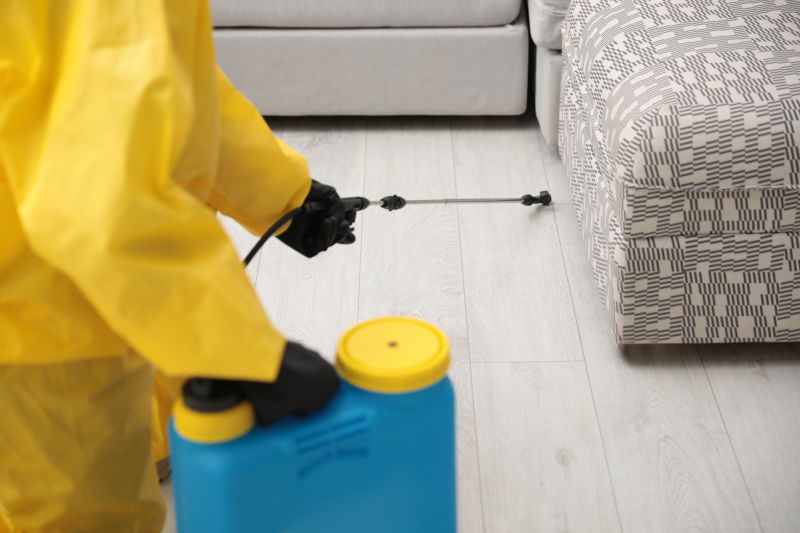
When evaluating service providers for bee infestation treatment, it is important to consider their experience with similar projects. Homeowners should seek out local contractors who have a proven track record in safely and effectively addressing bee infestations, especially those involving health and safety risks. An experienced professional will be familiar with the most effective removal methods, understand how to handle different types of bee colonies, and be aware of potential hazards that could arise during the process. This knowledge can help ensure the job is completed with safety in mind, reducing the risk of bee stings or accidental colony collapse that could pose health threats.
Clear written expectations are essential when comparing local contractors for bee infestation services. Homeowners should look for service providers who can provide detailed descriptions of their approach, including safety precautions, cleanup procedures, and follow-up recommendations. Having a transparent plan helps set realistic expectations and ensures that everyone is aligned on what the service entails. It also allows homeowners to evaluate whether the contractor’s approach prioritizes health and safety considerations, especially when dealing with large colonies or hives in hard-to-reach areas that could increase health risks.
Reputable references and good communication are key factors in selecting a reliable local contractor. Homeowners are encouraged to seek out service providers with positive feedback from previous clients, particularly those who have handled bee infestations with health and safety concerns in mind. Open, clear communication throughout the process can help address questions or concerns about safety protocols and ensure that homeowners are informed about the steps being taken. Choosing a contractor with a solid reputation and a commitment to transparent communication can help mitigate health and safety risks associated with bee infestations, providing peace of mind during the treatment process.
Property owners often search for health and safety risks associated with bee infestations when they are planning practical projects around their homes and businesses. Local pros provide Bee Infestation Treatment services for everyday jobs and straightforward project options.
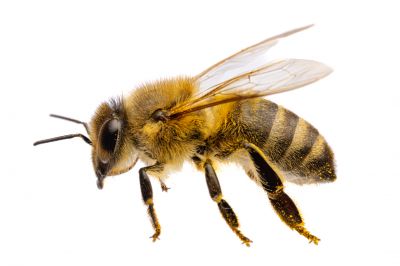
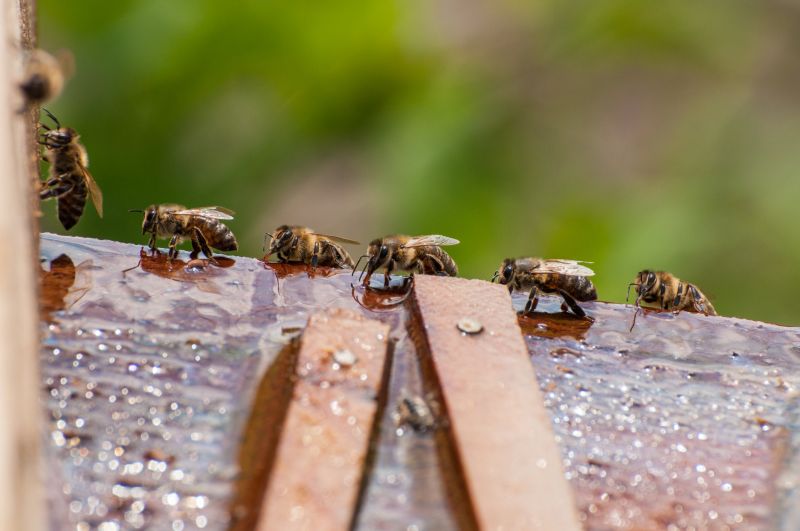
Bee infestations in residential or commercial properties can pose significant health and safety risks that property owners should be aware of. In particular, the presence of large bee colonies, such as honeybees or wasps, can lead to aggressive behavior if disturbed, increasing the likelihood of stings. For individuals who are allergic or sensitive to bee stings, this can result in serious medical reactions. Additionally, nests built near entryways, vents, or other frequently accessed areas can create hazards for residents, workers, or visitors, especially if the colony expands or becomes agitated. Local contractors specializing in bee infestation treatment can assess the situation and safely remove or eliminate the hive, reducing these health risks and preventing potential accidents.
Understanding the health and safety risks associated with bee infestations highlights the importance of professional intervention. Property owners may seek out local service providers to handle the removal process safely and effectively, avoiding the dangers of DIY attempts that could disturb the colony or cause stings. Professionals equipped to deal with bee infestations can identify the location of the hive, recommend appropriate treatment methods, and ensure the colony is removed without harm to residents or the bees, where possible. This proactive approach helps mitigate risks and maintains a safer environment for everyone in the community.
What health risks are associated with bee infestations? Bee infestations can pose health risks such as allergic reactions, including swelling, difficulty breathing, or anaphylaxis, especially for individuals allergic to bee stings. Local contractors can safely remove hives to reduce these dangers and prevent potential health issues.
How can bee infestations affect indoor air quality? Bee infestations inside structures can lead to the accumulation of debris, hive materials, and potential mold growth, which may compromise indoor air quality. Professional removal services can mitigate these risks by safely eliminating the hive and cleaning affected areas.
Are there safety concerns related to attempting DIY bee hive removal? DIY removal can be dangerous due to the risk of multiple stings, allergic reactions, or improper handling that could cause the hive to become more active. Local service providers have the experience to handle hive removal safely and effectively.
What are the risks of leaving a bee infestation untreated? Leaving a bee infestation untreated can lead to increased stings, allergic reactions, and the potential for hive collapse or structural damage. Professional removal helps minimize health and safety risks associated with bee infestations.
How do local pros ensure safety during bee hive removal? Local contractors follow safety protocols by using appropriate equipment and techniques to safely remove hives, reducing the risk of stings and health hazards for residents and themselves. Contacting experienced professionals is recommended for safe bee infestation treatment.
Identify bee nesting sites - property owners can work with local contractors to locate and assess areas where bees are nesting, reducing health risks.
Implement safe removal methods - professional services can provide humane and safe removal techniques to prevent stings and allergic reactions.
Seal entry points - sealing gaps and holes helps prevent future infestations, minimizing ongoing health and safety risks.
Educate on bee behavior - local experts can advise on how to recognize signs of infestation and avoid risky interactions with bees.
If you are thinking about health and safety risks associated with bee infestations for a property, this guide is meant to help you understand this topic, the typical project types, and how different options might fit your plans.
When you are ready, you can use the quote form on this page to share a few details about your project. From there, local pros can review the basics and follow up with options that match what you have in mind.